Media and Press Accreditation for Music Festivals in Changing Times.
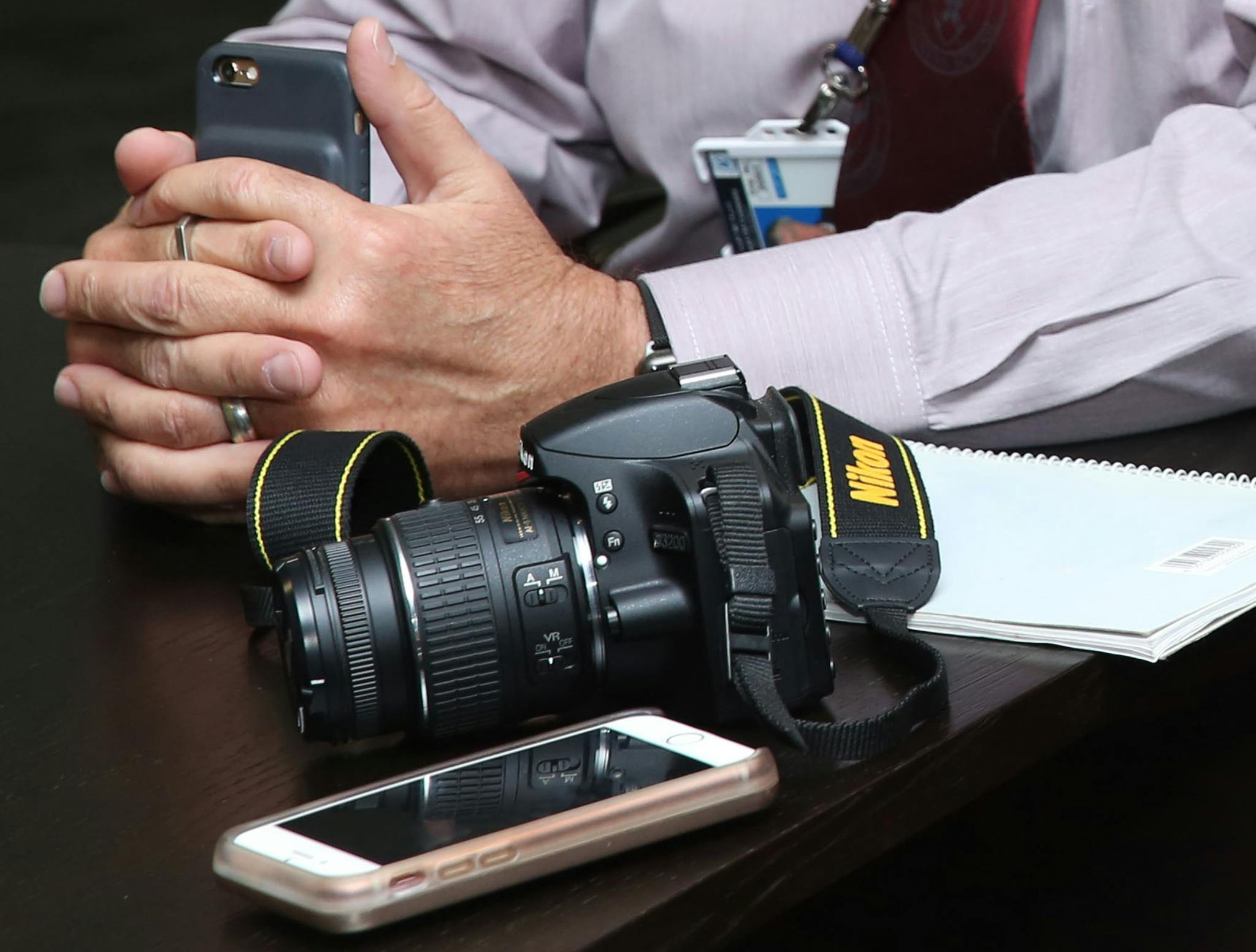
Music festivals have always allowed accredited representatives from the media to attend and report on their events. The media landscape is rapidly changing, and the traditional journalist is being joined by online influencers who don't always have formal press credentials. How are festival organisers managing the accreditation process in these changing times.
A large music festival will usually set aside space for a media centre reserved for journalists who are covering their event with secure access granted to qualifying individuals. Organisers will operate a formal accreditation process to assess and verify each application and if approved passes are issued. The traditional media journalists are now being joined by digital creators who do not operate in the same way as members of the ‘press’. Aside from considering media journalists for press coverage, organisers are looking for ways to promote their brand and increase favorable coverage. This role is increasingly being performed by independent digital creators and influencers who need to be managed separately from formal members of the press.
Types of Media and Press.
The traditional media journalists have usually come through a formal training process run by institutions like the UK’s National Council for the Training of Journalists (NCTJ) who are responsible for issuing formal qualifications. These qualified journalists may work in mainstream media which can include newspapers, radio, and television. Others may work in specialist media, typically music related publications like NME (New Musical Express), Rolling Stone, Pitchfork, Billboard, Mojo, Stereogum, The Fader, Kerrang! and Mixmag. These media organisations often operate a combination of physical publications and online digital formats. Although mainstream media may send journalists to cover the largest music festivals, most applications will come from the specialist music media. Increasingly festival organisers are seeing more applications from casual Influencers, social media influencers, personal bloggers, and portfolio photographers most are unable to provide sufficient accreditation documentation unless they are representing an approved media outlet.
Credentials and Vetting.
Festival organisers will always have a strict limit on the number of journalists who can get a press pass. This can make the application process competitive with organisers prioritising those they see as the most beneficial or influential. Each application must include a formal letter of assignment signed by an editor, for example, which details scope, format and planned dates for coverage. Organisers may also ask to see evidence of previous work, articles, news pieces, images, or video clips. Where a publication is sending teams (journalists and photographers) it is the responsible editor who should be the main point of contact for all applicants. Each applicant may be asked to submit a detailed coverage plan that includes requests for interviews with artists or organisers and planned photography.
Accreditation Process.
The purpose of accreditation must be journalistic reporting, not personal attendance or portfolio building. Organisers will have robust processes in place to ensure that only the relevant and correct individuals obtain a press pass. A good event management software solution (like Festival Pro) includes specific modules to manage the accreditation process. Once logged and approved, the access passes can be issued (QR Code) which is scanned at entry where specific ‘press’ RFID wristband may be issued providing access to designated areas of the festival site (Media centre, photo pit and backstage for example). Photographers may be issued with additional tags for their equipment which facilitates enforcement against unauthorised photography. The organiser’s Press Office may issue restrictions and embargos to journalists for content often linked to artists’ requirements related to interview coordination along with what and when content can be recorded.
Media Coverage and Controlling the Narrative.
Festival organisers take the press accreditation process very seriously, and each application received undergoes thorough consideration. In some cases, journalists may have issued unfavorable content about the event, or they just don't like the festival, artists or organisers. A good vetting process should ensure that more friendly journalists are accepted and prioritised which helps contribute to a more positive narrative. Assessing coverage from previous events can help determine a priority list for applicants. Organisers consider metrics like audience size, reach, impressions, message penetration, and conversion to online traffic generated from published links. It is common for festival organisers to also follow up post event with everyone who was issued with a press pass and request details of coverage achieved.
For festival organisers planning their next event using a software management platform like Festival Pro gives them all the functionality they need manage every aspect of their event logistics. The guys who are responsible for this software have been in the front line of event management for many years and the features are built from that experience and are performance artists themselves. The Festival Pro platform is easy to use and has comprehensive features with specific modules for managing artists, contractors, venues/stages, vendors, volunteers, sponsors, guestlists, ticketing, site planning, cashless payments and contactless ordering.
Image by Frans van Heerden via Pexels
<< Back to articles
Contact us
Get in touch to discuss your requirements.
US: +1 424 485 0220 (USA)
UK: +44 207 060 2666 (United Kingdom)
AU: +61 (2) 8357 0793 (Australia)
NZ: +64 (0)9887 8005 (New Zealand)